Recycling and Sustainability for Landscaping Manor Park
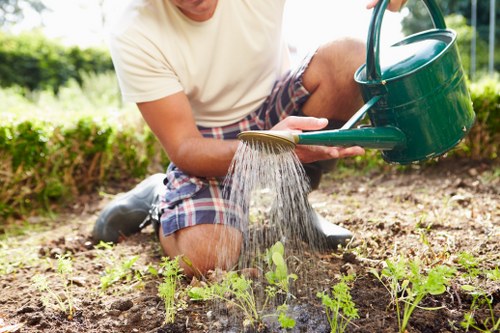 Landscaping Manor Park is committed to building greener outdoor spaces with a practical, local approach to landscaping recycling and lower-impact site management. Our aim is to make every project more resource-efficient by reducing waste, reusing suitable materials where possible, and improving how green waste, soil, hard landscaping debris, and packaging are handled. A central part of this approach is our recycling percentage target: we work toward diverting at least 80% of non-hazardous construction and landscaping waste away from landfill through reuse, recycling, and responsible recovery routes. This target helps us measure progress across projects and stay focused on sustainable outcomes.
For Landscaping Manor Park recycling, local waste handling matters. Different boroughs around Manor Park often use separate collection streams for garden waste, mixed dry recyclables, cardboard, metal, and soil or rubble, so we align our site processes with those systems wherever possible. That means sorting waste early, keeping clean timber separate from contaminated offcuts, and setting aside recyclable aggregates and stone for approved recovery. By taking a considered approach to waste separation, we help ensure materials are directed into the right streams instead of becoming mixed waste that is harder to recover.
 Another important part of our sustainability plan is using the right local transfer stations for the job. Whenever materials cannot be reused on-site, we rely on licensed facilities that can sort, process, and divert waste responsibly. These transfer stations support efficient movement of green waste, soil, inert materials, and packaging, and they help reduce unnecessary travel across the wider region. Using nearby facilities also supports a lower-carbon operation by shortening haulage distances and improving logistics for landscaping jobs of different sizes.
Reducing Waste Through Smarter Recycling
In landscaping, waste streams are varied, so the recycling strategy has to be flexible. Grass cuttings, hedge trimmings, branches, and leaf litter are often suitable for composting or green-waste processing. Soil from excavation can sometimes be screened and reused, while old paving, bricks, and concrete may be sent for crushing and reuse as secondary aggregate. We also pay attention to everyday site materials such as plastic wrapping, cardboard sleeves, metal fixings, and pallets, ensuring they are separated from organic waste and placed into appropriate recycling channels. This practical attention to detail supports our broader recycling in landscaping goals.
 We also recognise that borough-led waste separation practices can vary, especially where local authorities encourage residents and businesses to split recyclables into distinct collections. That local culture of sorting waste well informs how we work on our own sites. Where boroughs prioritise separate food waste, garden waste, paper, glass, and dry mixed recycling, we mirror that discipline by keeping landscaping waste streams clear and manageable. This makes it easier to recover materials and reduces contamination, which is one of the biggest barriers to successful recycling. In that sense, Landscaping Manor Park sustainability is not just about what we remove from a site, but how carefully we prepare it for the next stage.
We also work with charities and community reuse partners to give useful materials a second life before they enter the recycling chain. Good-quality timber, surplus topsoil, planted containers, and certain reclaimed decorative materials can sometimes be passed on to local charities, community gardens, or environmental projects. These partnerships help keep valuable items in use for longer and can support causes that benefit from affordable or donated materials. Rather than treating all surplus as waste, we look for opportunities to match appropriate items with organisations that can make use of them responsibly.
Local Partnerships and Lower-Carbon Operations
Our sustainability strategy also includes low-carbon vans, which are a key part of reducing the transport footprint of landscaping work. Wherever operationally possible, we use vehicles with improved fuel efficiency or lower-emission technology to move tools, materials, and recyclable loads between sites, transfer stations, and storage locations. These vans help reduce emissions compared with older vehicles and support a cleaner day-to-day operation. Combined with better route planning and fewer unnecessary trips, they contribute to a more efficient Landscaping Manor Park recycling model.
Transport efficiency goes hand in hand with smart loading and waste segregation. By organising recyclable materials before they leave site, we can make better use of each journey and reduce the number of collection runs required. For example, clean green waste may be kept separate from inert spoil, while reusable stone or timber is set aside for recovery or donation. This disciplined approach not only lowers emissions, but also improves the quality of the waste stream, making it more likely to be recycled or reused successfully.
We also keep sustainability visible in the small choices that shape each project. Packaging is flattened, reusable sacks are cleaned and retained where appropriate, and materials are ordered carefully to avoid over-supply. These habits reduce waste at source and support a circular approach to landscaping work. When combined with our recycling percentage target, local transfer station use, charity partnerships, and low-carbon vans, they help create a practical sustainability framework that works in real-world landscaping conditions.
A Greener Standard for Manor Park Landscapes
 For Landscaping Manor Park, sustainability is not a one-off initiative; it is part of how we plan, deliver, and improve every project. Whether it is separating soil and rubble for recovery, sending green waste to composting routes, or supporting borough-level waste separation expectations, each step contributes to a cleaner, more responsible outcome. Our aim is to make Landscaping Manor Park recycling reliable, measurable, and locally relevant, while keeping the environmental impact of our work as low as possible.
By combining a clear recycling target with practical partnerships and lower-carbon transport, we can reduce waste, support community organisations, and make better use of resources already in circulation. That means more material is reused, more recyclable waste is recovered, and less is sent to landfill.  This is the direction we continue to build toward: a landscaping service that values the environment, respects local waste systems, and helps Manor Park grow more sustainably.