Garden landscaping in Manor Park: practical, attractive outdoor spaces designed around local homes
Creating gardens that suit Manor Park living

Garden landscaping in Manor Park is about more than making an outdoor space look neat. For local homeowners, landlords, and businesses, it often means turning a tired or awkward plot into a place that works better for everyday life. In a built-up area like Manor Park, gardens can be compact, overlooked, narrow, sloped, shaded, or split across different levels. A good landscaping plan takes those realities seriously and turns them into opportunities rather than problems.
Whether you are improving a family garden behind a terraced home, refreshing a front garden near a busy road, or planning a more usable outdoor area for a small commercial property, the right approach can make a huge difference. The best results come from understanding the property, the way the space is used, and how local conditions affect planting, surfacing, drainage, and maintenance over time.
Many customers looking for garden landscaping in Manor Park want a space that feels more polished, easier to manage, and better suited to everyday use. That might include new turf, raised beds, paving, fencing, planting, stepping stones, seating areas, or a full redesign. A local team can help with practical choices that suit the character of the area and the realities of access, parking, and installation.
Why local knowledge matters for landscaping in Manor Park
Understanding the homes, streets, and access points
Manor Park has a mix of property styles and outdoor spaces, and that variety shapes every landscaping job. Some gardens are long and narrow, some are small courtyards, and some are shared or semi-private spaces that need careful planning. Local knowledge helps with everything from choosing materials to working out how waste removal, deliveries, and equipment access will be managed on the day.
Access can be a real consideration in areas with limited off-street parking, side returns, narrow passageways, or rear garden access through a house. A landscaping team used to working locally can plan around these details in advance, reducing disruption and keeping the project moving smoothly. That matters whether the work is a simple soft landscaping refresh or a more involved hard landscaping installation.
There is also the matter of climate and growing conditions. Soil quality, shade from neighbouring buildings, exposure to wind, and water drainage all influence what will thrive. A properly planned landscape design should fit the actual conditions on site, not just the style someone hopes to achieve. This is especially important when creating planting schemes that stay attractive across the seasons with reasonable upkeep.
What garden landscaping services can include

Customers often arrive with a clear outcome in mind but not a full picture of what needs to happen to get there. Garden landscaping can cover a wide range of services depending on the condition of the site and the goals for the space. Some projects begin with a full redesign, while others involve targeted improvements that transform the garden in stages.
Typical landscaping services in Manor Park may include:
- Garden design and layout planning
- Ground preparation and clearing
- Levelling and reshaping uneven ground
- Turfing and lawn installation
- Artificial grass installation
- Patios, paths, and paved seating areas
- Raised beds and planting borders
- Fence installation and boundary improvements
- Decking and timber features
- Driveway edging and front garden improvements
- Drainage adjustments where needed
- Garden makeovers for rental and commercial spaces
Not every garden needs a complete redesign. Sometimes the best approach is a well-planned upgrade that tackles the main issues first. For example, a patchy lawn, poor drainage, and a tired fence can often be resolved with a practical package of works that immediately improves the look and usability of the garden.
Designing a space that works for real life
Balancing style, durability, and maintenance
A successful garden design should be attractive, but it should also be realistic. If a family needs a child-friendly lawn, a landlord needs a low-maintenance finish, or a business wants a tidy outdoor frontage, the layout should reflect those priorities. Manor Park garden landscaping is most effective when the finished space is suited to how it will actually be used.
That often means thinking about zones. A seating area might be separated from a play area. A paved section might be placed where muddy footfall is heaviest. Planting beds might be used to soften boundaries or screen overlooked areas. Even in smaller gardens, a well-planned layout can create the sense of more space by improving flow, light, and structure.
Material choice also matters. Some homeowners want natural-looking finishes, while others prefer a more modern, low-fuss design with clean lines and simple maintenance. A reliable landscaping service should explain the pros and cons of each option so you can make the right choice for your budget and long-term use, rather than just going with the first idea that looks appealing on paper.
Hard landscaping and soft landscaping: the difference
Getting the right balance
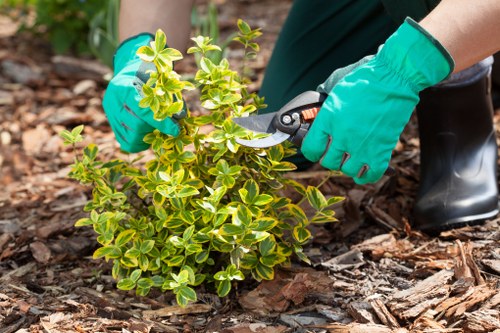
When people think about landscaping, they often picture plants and turf first. But a lot of the lasting value comes from the structure beneath the planting. Hard landscaping refers to the built elements of the garden, such as paving, walls, paths, steps, fencing, edging, and decking. Soft landscaping covers the living elements: turf, trees, shrubs, flowers, soil improvement, and planting schemes.
In Manor Park, the most effective projects usually combine both. A paved area gives structure and year-round function, while soft landscaping brings colour, privacy, seasonal interest, and a more welcoming feel. If hard surfaces dominate too much, the garden can feel stark. If planting is used without a solid framework, the space can become difficult to maintain and may not cope well with heavy use.
For many local clients, the aim is a practical balance. That might mean a straightforward patio with surrounding beds, a lawn framed by robust edging, or a small courtyard finished with containers, decorative gravel, and feature lighting points. The right mix creates a garden that looks finished now and remains manageable later.
Examples of balanced landscaping choices
- A paved entertaining space with borders for low-maintenance planting
- A family lawn with stepping stones and a storage-friendly layout
- A front garden with attractive hard surfaces and evergreen structure
- A shaded rear yard improved with raised planters and light-reflecting materials
Garden landscaping for different types of Manor Park properties
Homes, rental properties, and commercial premises
One of the strengths of a local landscaping service is the ability to adapt to different property types. Manor Park includes homes with small enclosed gardens, family properties needing more usable outdoor space, and commercial premises that benefit from tidy, presentable external areas. Each type of site has different priorities.
For homeowners, the focus may be on comfort, appearance, and family use. For landlords and letting agents, low-maintenance finishes and durable materials are often more important. For businesses, a neat and professional appearance can help create a better first impression for staff, visitors, and customers. In each case, the landscaping should support the intended use instead of creating extra work.
Residential customers may want a garden that feels private, safe, and easy to enjoy throughout the year. Commercial customers often want improvements that are practical, tidy, and quick to maintain. A well-planned service can handle both, with the scale and finish matched carefully to the property.
What is typically included in a local landscaping project

From preparation to finishing touches
Every site is different, but most garden landscaping projects follow a similar sequence. Clear preparation is important because the quality of the finish depends on what is done beneath the surface. If the garden is not properly cleared, levelled, drained, or edged, later problems can appear even if the surface looks good on completion.
A typical project may include:
- Site visit and initial discussion of goals
- Review of the current condition of the garden
- Ideas for layout, materials, and planting
- Ground clearance and removal of unwanted features
- Levelling, soil improvement, and drainage preparation
- Installation of paving, turf, planting beds, or boundary features
- Final detailing, tidying, and practical advice for aftercare
Some projects also involve rebuilding tired raised beds, replacing failing timber edges, refreshing a front garden, or installing functional spaces for bins, bikes, or storage. These details are often overlooked, but they can make day-to-day use much easier.
Benefits of professionally planned garden landscaping in Manor Park
More than just a visual upgrade
A professionally planned outdoor space can deliver benefits that go well beyond appearance. A good layout makes the garden easier to use, easier to maintain, and more enjoyable across the seasons. For local homeowners, that can mean spending more time outdoors and less time dealing with patchy lawns, muddy corners, or awkward layout issues.
It can also add useful function. A well-landscaped garden may improve drainage, create better privacy, reduce ongoing maintenance, or make a cramped area feel bigger. In some cases, it can help make the front of the property more presentable and welcoming, which is especially useful for rental homes and small businesses.
Another important benefit is durability. A garden built with the right foundations, edges, and materials is more likely to stay attractive over time. This matters in a busy local setting where gardens are used heavily, weather conditions vary, and maintenance time may be limited. Careful landscaping helps reduce avoidable repair work later on.
Common issues we see in local gardens

Why many Manor Park gardens need a refresh
Some gardens need a full transformation because they have been neglected for years. Others simply no longer suit the way the household lives. In Manor Park, it is common to see gardens affected by poor drainage, uneven ground, tired fencing, thin lawns, or planting that has become overgrown and unmanageable. These are all fixable with the right approach.
Another common issue is space that has not been planned around access. A garden may have a side return that is wasted, a path that is too narrow, or a seating area placed where it catches too much shade. Small changes in layout can completely change how the space feels and functions. This is why proper planning matters before any digging or installation begins.
For some properties, the main challenge is simply making the garden manageable. In those cases, low-maintenance planting, hard-wearing surfaces, and easy-to-clean layouts can be more valuable than complicated features. A good landscaping team should help you decide what is worth keeping and what should be replaced so the finished space feels sensible as well as attractive.
How the process usually works
A straightforward way to move from idea to finished garden
Many customers want to know what happens after they enquire. While every job is different, the process is usually simple and practical. First, there is a discussion about the garden, the issues you want to solve, and the type of finish you have in mind. This is the point to mention whether you want a full transformation, a phased project, or a smaller improvement.
Next, the site is assessed. That allows the landscaping plan to take account of space, access, drainage, light levels, and existing features that may be retained or removed. Once the scope is clear, the work can be scheduled and the materials chosen. Good planning at this stage helps avoid delays and ensures the result matches the property and budget.
During the works, clear communication is important. A local team should keep you informed about practical issues such as material delivery, garden access, or any unexpected ground conditions that may need attention. Once the project is complete, you should have a space that is ready to use, with any aftercare advice explained plainly.
Preparation checklist before your landscaping project starts
Simple steps that help the job run smoothly
Preparing for garden landscaping in Manor Park does not need to be complicated, but a few simple steps can make the project easier. A little preparation helps protect belongings, reduce delays, and make sure the work area is clear and safe. If you are planning to book a local service, it is worth going through the basics beforehand.
- Remove lightweight furniture, pots, and ornaments where possible
- Decide which plants or features you want to keep
- Make note of access routes to the garden
- Check whether parking or loading space may be limited
- Let the team know about pets, gates, or shared access arrangements
- Think about how you want to use the garden once the work is done
If the garden is being redesigned for a particular purpose, it helps to be clear from the start. For example, a family may need a safe lawn area, while a landlord may prioritise durability and easy upkeep. The more clearly you can explain how the space should work, the easier it is to recommend the right materials and layout.
Pricing factors to consider
What affects the cost of landscaping work
People often ask what a landscaping project will cost, but the honest answer is that it depends on several factors. Without seeing the garden, it is difficult to provide a meaningful figure. What can be discussed clearly is what influences the price and why. That helps customers understand where the value lies and what may affect the final quote.
Common pricing factors include:
- Size of the garden and overall scope of the work
- Condition of the existing space and amount of clearance needed
- Choice of materials, such as paving, turf, timber, or decorative finishes
- Groundworks, levelling, and drainage requirements
- Access limitations and how easily materials can be moved in and out
- Complexity of the design and number of features involved
- Whether the project is a one-off makeover or staged over time
If you are comparing different options, it is useful to think about the long-term picture rather than only the initial installation. Some finishes need more upkeep, while others may cost a little more at the start but save time later. A well-planned quote should make these differences easier to understand.
Why choose a local company for Manor Park landscaping
Practical advantages that matter on site
Working with a local company brings several real advantages. A nearby team is more likely to understand the layout of local streets, the common garden shapes in the area, and the practical challenges of working in built-up residential neighbourhoods. That can mean smoother planning and fewer surprises during the job.
Local service also helps when flexibility matters. If a project needs to be adjusted because of weather, delivery access, or site conditions, a local team is often better placed to respond. This can be especially useful on jobs where timing, access, or shared boundaries affect how the work is carried out.
There is also peace of mind in choosing a company that works regularly in the area and understands the needs of nearby customers. Whether the job is a neat front garden, a family-friendly rear space, or a commercial frontage that needs to look tidy every day, local experience supports better decisions from the start.
Areas covered around Manor Park
Nearby locations and surrounding neighbourhoods
Garden landscaping services in Manor Park often extend into nearby parts of east London and the surrounding neighbourhoods where similar property types and access conditions are common. Customers may be in terraced streets, residential estates, mixed-use areas, or on the edges of busier roads where outdoor space needs extra planning and care.
Areas commonly covered may include nearby local communities and adjoining districts where homeowners and businesses need garden improvements, boundary work, or outdoor maintenance support. If you are unsure whether your property is within the service area, it is best to ask when requesting a quote so the team can confirm availability and scheduling.
For customers with properties near busy routes, tighter streets, or limited parking, a local provider can often make arrangements more efficiently because the working conditions are familiar. This is especially useful when materials, tools, and waste removal need to be managed without causing unnecessary disruption.
Frequently asked questions
Common questions from local customers
Do I need a full garden redesign?
Not always. Some gardens only need targeted improvements such as new turf, better edging, improved drainage, or a refreshed patio. If the basic structure is sound, smaller changes can still make a large difference.
Can landscaping work be done in small gardens?
Yes. In fact, smaller gardens often benefit most from careful planning. The right layout can make a compact space feel more open and useful, with practical zones for seating, planting, and access.
What if my garden has poor access?
Limited access is common in Manor Park and nearby areas. A local team can plan around narrow side passages, rear access issues, and parking restrictions by choosing suitable methods and scheduling the work carefully.
Will the garden need a lot of maintenance afterwards?
That depends on the design choices. If low maintenance is a priority, the layout and planting can be selected accordingly. Durable surfaces, simple borders, and easy-care plants can reduce ongoing effort.
Can the work be done in stages?
Yes. Many customers prefer to improve the garden in stages, starting with essential groundwork and then adding planting, features, or finishing details later. This can be a sensible way to manage budget and disruption.
How do I get started?
The easiest way is to request a quote and explain what you want to change. If you have photos, rough measurements, or notes about the current problems, that can help the planning process. Contact us today to discuss your garden and arrange the next step.
Book your Manor Park garden project with confidence
Ready to improve your outdoor space?
If you are considering garden landscaping in Manor Park, now is a good time to turn ideas into action. Whether the goal is a modern family garden, a low-maintenance rental property, a tidy front entrance, or a more usable outdoor space for a commercial premises, the right landscaping plan can make your property more practical and more enjoyable.
A well-chosen service should help you feel confident about the layout, the materials, and the work involved before anything starts. It should also take local conditions seriously, including access, parking, property style, and the day-to-day use of the space. That is what makes a local landscaping team so valuable: they are working with the realities of the area, not just a generic design idea.
Request a free quote if you are ready to compare options, or book your service now if you already know the changes you want. From first idea to finished garden, the goal is a space that suits your property and your routine.
Contact us today to start planning a garden that looks better, works harder, and fits life in Manor Park.
Final thoughts
Making the most of every outdoor space
Every garden has potential, even if it currently feels awkward, overgrown, or underused. With thoughtful planning, practical materials, and a design shaped around the way you live or work, it is possible to create an outdoor area that adds value every day. For many local customers, that means enjoying a cleaner, more usable, and more inviting space without unnecessary stress.
Garden landscaping in Manor Park should be personal, practical, and built to last. Whether your project is small or ambitious, the right local approach can help you get more from your property and feel proud of the outside space again.